Australia's 2035 Energy Path: What It Means for Solar Homes
Australia has set a 62–70% emissions cut for 2035, and the energy market operator's plan puts rooftop solar and home batteries at the centre. Here's what the next decade means for your home.
Emissions cut by 2035
62–70%
below 2005 levels
Suitable homes with solar
36% → 47%
now to 2035 (AEMO Step Change)
Home battery storage
12 → 33 GWh
April 2026 to 2030 (AEMO)
In September 2025 the federal government set Australia's 2035 target: cut greenhouse gas emissions by 62% to 70% below 2005 levels. It sits between the 43% target for 2030 and net zero by 2050.
Electricity is where most of that change happens first. The government's goal is 82% renewable electricity by 2030. Renewables supplied more than half of the main grid's power for the first time in the December 2025 quarter, though analysts at BloombergNEF doubt the 82% goal will be reached by 2030.
Homes are at the centre of the plan
The Australian Energy Market Operator (AEMO) published its 2026 Integrated System Plan in June, its blueprint for the lowest-cost grid to 2050. It says households with rooftop solar and batteries are, in many ways, leading the transition.
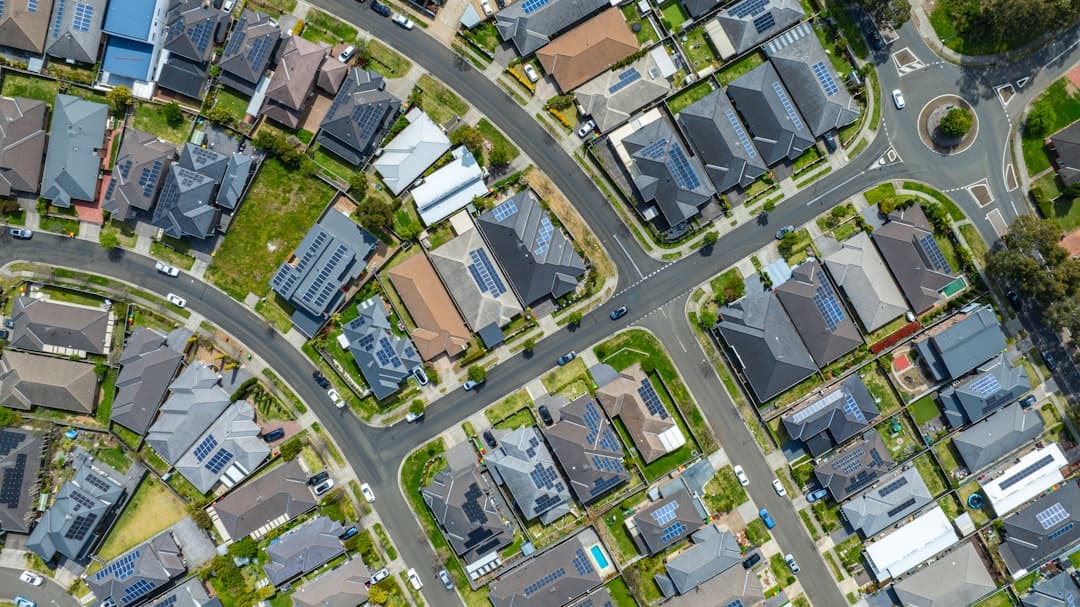
About 36% of suitable homes in the main grid regions already have rooftop solar, and around 600,000 households have home batteries. In AEMO's central scenario, 47% of suitable homes have solar by 2035 and 56% by 2050.
Installed today (April 2026)
By 2050, AEMO expects around two-thirds of homes with solar to also have a battery. Its final plan raised the home battery forecast to 35 GW by 2050, up from 27 GW in the draft, after the rush of installs under the Cheaper Home Batteries Program.
Coal closes while demand grows
Most of the main grid's remaining coal plants are due to close by 2038, and all of them by 2049. NSW's Eraring plant is set to keep running until 2029. At the same time, AEMO expects electricity demand to nearly double by 2050 as homes, cars and industry electrify and data centres come online.
The plan relies on storage to keep the lights on after sunset, and home batteries are a big part of that storage.
What it means for your home
Midday power keeps getting cheaper
With more solar on the grid, the power you export at midday is worth less. Using your own solar, and storing it for the evening, is where the value is.
Rebates shrink every year to 2030
Solar and battery discounts both step down on a fixed schedule until the scheme ends in 2030, so the same system costs more the longer you wait.
Electrifying adds load
An electric car, heat pump hot water or induction cooking all raise how much power you use. Size your solar and battery for where your home is heading, not just today's bill.
Batteries can earn as well as save
AEMO expects many home batteries to join virtual power plants, which pay you to share stored power with the grid when it's needed.
See what your roof can do
Design a solar and battery system from your own roof in a few minutes. No obligation.
Sources
- Australia pledges 62–70% cut in emissions by 2035 (Down To Earth)
- Australia's 2035 target and other climate policy updates (Norton Rose Fulbright)
- Australia hits new renewable milestone of over 50% (Insurance Journal)
- BNEF: Australia will not hit 82% renewables by 2030 (RenewEconomy)
- Households lead march to least-cost electricity, AEMO 2026 ISP (RenewEconomy)
- Consumers steal the show as AEMO launches 2026 ISP (Energy Magazine)
- Everyday Australian households leading the energy transition (Utility Magazine)
- New England REZ key as batteries and renewables reshape the grid (NE Times)
- Is the energy transition succeeding? (ESD News)